
They adopt a holistic view of the organization, examining a wide range of activities including finance, operations, compliance, and IT. This broad scope enables internal auditors to identify potential weaknesses and recommend improvements across diverse areas, contributing to continuous improvement and value creation. For example, an internal audit might assess the efficiency of a manufacturing process, the effectiveness of cybersecurity protocols, or the compliance with internal policies related to data privacy. The two primary types of audits—internal and external—serve distinct purposes, though both aim to ensure a company’s financial accuracy and operational efficiency.
- Without these two types of audit, our capital markets would lack integrity, and business operations would be less efficient.
- This is why stakeholder communication and reporting is an indispensable element in any discussion of “internal audit vs external audit”.
- This type of audit provides a more holistic view of the organization’s performance and areas for improvement.
- The auditing landscape is evolving rapidly due to advancements in technology and changing business practices.
- This all helps investors to get a feel for which bits of the company are the most high-risk.
How is an external audit conducted?

In contrast, external audits provide assurance through formal audit reports directly communicated to shareholders, regulators and other external stakeholders. External audit reports will also include the auditor’s opinion on the fairness of the organization’s financial statements and compliance with accounting principles and reporting standards. External audits focus on identifying compliance with accounting standards and identify areas for improvement within an organization’s financial processes and controls.
The Benefits of Hiring External Auditors

The revenue should be recognized when the goods are actually shipped to the courier. And in this case, the company had to go back and recalculate its revenue, which ended up reducing its profit for the year by a pretty significant 4%. SAP Concur is committed to reinventing travel, expense and invoice management with tools that simplify everyday processes and create better experiences. If discrepancies or weaknesses are discovered as part of the audit process, they must be dealt with promptly to avoid creating larger problems down the line.
Independence and Objectivity Differences
To be independent of any financial or personal relationships with the business, external auditors should not be related to any of these factors. Any conflict of interest will then affect the objectivity and credibility of external audits are used for the audit conducted. Every Single External Auditor gets to understand the entity, its operations, financial reports, and risk items at the beginning of the audit. Auditors collect preliminary information about the company’s business model and accounting policies. An external audit checklist may be prepared in this phase regarding the major subjects being subjected for consideration.
Five Key Steps of External Audit Process
- The audit process identifies any weaknesses in internal controls or discrepancies in accounting practices, allowing the company to address these issues proactively.
- External auditors must be qualified accountants and a member of a professional body such as ACCA.
- In this case, auditors review the transactions and balances of the company’s accounting records to determine whether they are complete and accurate.
- Auditors analyze income, expenses, assets, and liabilities to ensure that the company presents a true and fair view of its financial position.
- This para helps the readers understand the critical area in the whole financial statements of the company.
- External auditors focus on verifying the financial information presented in the organization’s financial statements and providing assurance to external stakeholders.
- Unorganised data dumps will only extend external audits and may make them more costly.
The frequency and timing of audits also differ significantly between internal audits vs. external audits. The objectives and stakeholders served are another critical aspect that sets internal and external audits apart. Both internal and external audits Balancing off Accounts require access to organizational information while maintaining independence and objectivity.
What is external auditing in accounting?
And an external audit is no mere formality, it’s a vital tool for shining a light on any weak spots in a company’s accounting, risk management, and even its overall operations. During the audit process, an external auditor will assess the effectiveness https://hotel-zollner.com/blog/2021/11/29/bookkeeping-services-in-san-francisco-for-small-2/ of your internal controls. This process helps identify any gaps in policies or controls, highlighting areas for improvement. Strong internal controls help maintain internal compliance and reduce the risk of errors or fraud.
From optimizing resource allocation and streamlining communication to enhancing compliance and improving decision-making, understanding the interplay of internal audit vs external audit offers significant advantages. Embracing a collaborative approach between these two functions is essential for building trust, transparency, and long-term organizational success. This video further explores the nuances of internal and external audits, offering valuable insights into their distinct roles and responsibilities. Many business are run by a small board of directors on behalf of the shareholders who can be remote and have little involvement in the day to day operations. The process through which an audit is undertaken challenges the robustness of the internal controls and processes an organisation has in place, giving an external perspective and valuable feedback.
- Internal auditors, however, primarily serve the organization’s management and board of directors, offering insights into operational efficiency, risk management, and internal controls.
- This is done to ascertain whether they were prepared in conformity with the appropriate accounting framework and whether the client’s financial statements correctly represent its performance and financial situation.
- Their goal is to provide an impartial opinion on the accuracy of financial statements.
- An internal audit refers to the department located within a business that monitors the efficacy of its processes and controls.
- An external audit report refers to a document that summarizes the findings and conclusions drawn by an external auditor derived from evaluating a company’s financial statements, records, and transactions.
- While external audits provide external stakeholders with assurance on financial reporting, internal audits offer valuable insights for internal management to enhance operations, manage risks, and strengthen internal controls.
Understanding External Audit: Purpose, Process, and Benefits
- Auditors do not just focus on the numbers but will gain an understanding of the businesses overall systems and controls environment.
- However, the Wells Fargo fake accounts scandal showcased the dangers of internal audit failures, further emphasizing the need for robust independence protocols and direct reporting lines to audit committees.
- By addressing these issues, organizations can take corrective actions and safeguard their assets.
- In the world, this means having a title like CPA (USA), ACCA (UK), or CA (Canada, Australia).
- In contrast, internal auditors report to management and the board, concentrating on internal controls, process efficiency and operational effectiveness.
- The overall goal of internal auditing is to make a company more efficient, more profitable and better at making key decisions.
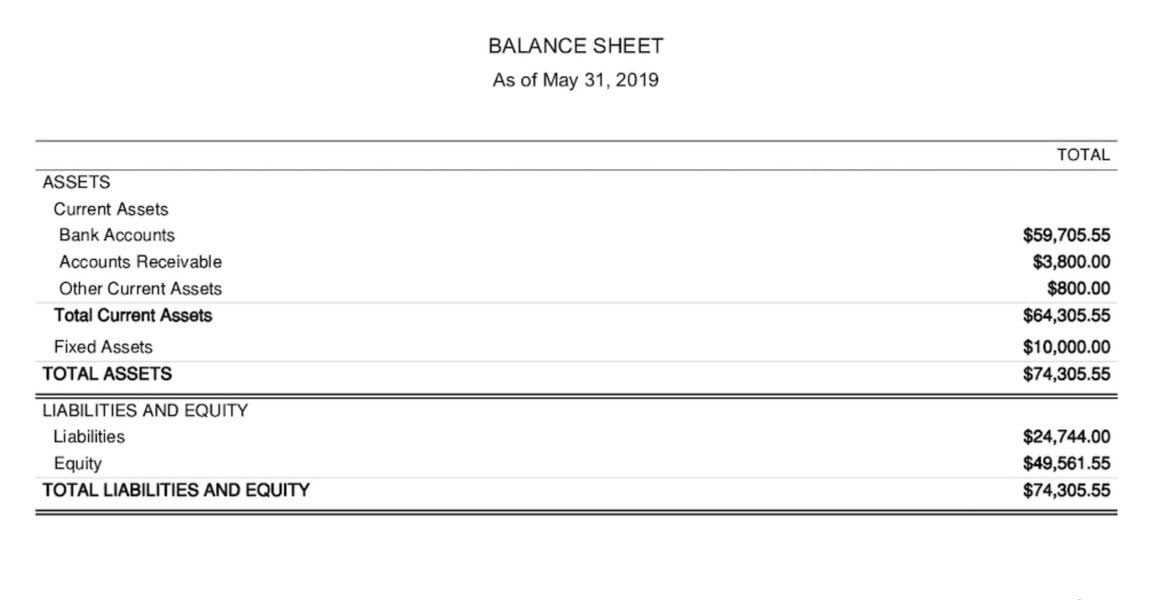
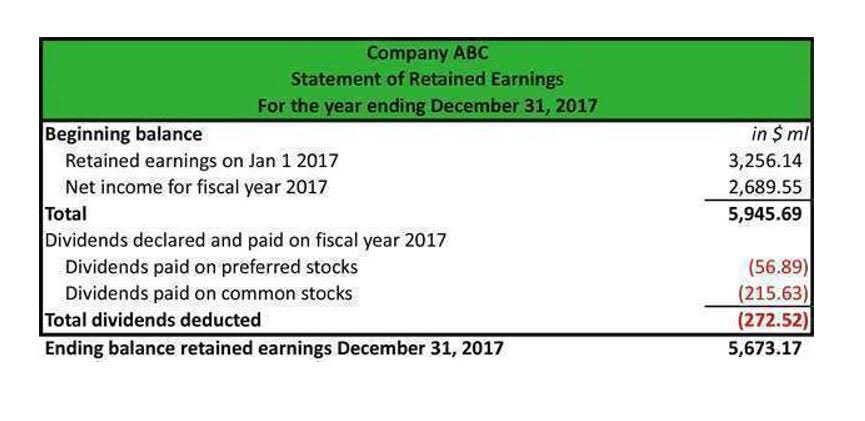
Auditors assess whether the company has adequate controls in place to prevent fraud and errors in financial reporting. It involves a comprehensive review of a company’s financial statements, including the balance sheet, income statement, and cash flow statement. Following the fieldwork, the auditor evaluates the collected evidence to determine if the financial statements are free from material misstatements and compliant with accounting standards. The audit concludes by issuing a report that includes the auditor’s opinion on the financial statements.

An organization executes a contract with an external audit firm for the purpose of conducting an external audit. External auditors are required to be independent of the organization for which they are conducting the audit. They should have access to data and resources across the organization to achieve the requirements of the audit, otherwise, a scope limitation may result in qualifying the audit opinion.